
UK’s Renewable Revolution: Solar, Batteries & Heat Pumps
The Rise of Renewables: Solar, Battery Storage and Air Source Heat Pumps The UK is undergoing a significant shift towards renewable energy and sustainable home…

Why you can trust our content
We know that the solar industry is full of misinformation, but we only use reliable sources, including:


At a glance
The Rise of Renewables: Solar, Battery Storage and Air Source Heat Pumps
The UK is undergoing a significant shift towards renewable energy and sustainable home solutions. With rising energy costs and growing environmental awareness, homeowners are investing in clean energy technology. Among the most popular choices are solar panels, battery storage systems and air source heat pumps. But which of these technologies is the most widely installed in the UK? Let’s explore the data and trends behind their adoption.
The Dominance of Solar Panel Installations
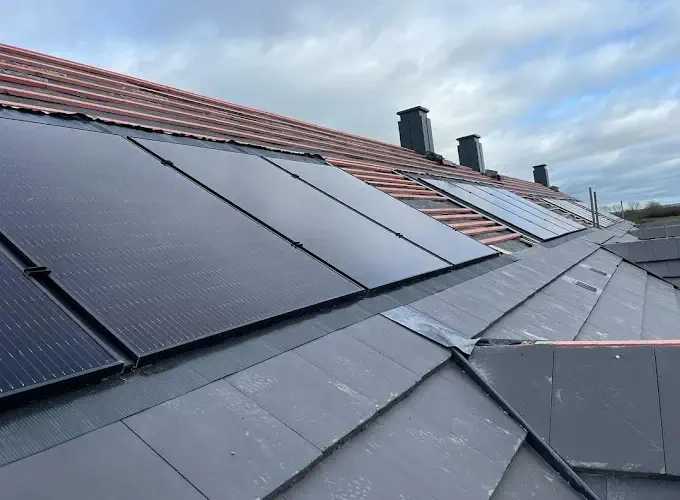
Solar photovoltaic (PV) systems have long been a popular choice in Warwickshire, Leicestershire and the West Midlands and they continue to lead the market in installations. The increasing affordability of solar panels, coupled with government incentives such as the Smart Export Guarantee (SEG), has encouraged more homeowners and businesses to adopt solar energy.
Another key factor driving solar panel adoption is the growing concern over energy security. With fluctuating electricity prices and an increasing demand for sustainable solutions, solar panels offer a cost-effective way to generate electricity and reduce reliance on the grid. Advances in solar technology have also improved efficiency, making it a viable option even in our relatively cloudy climate.
The Rise of Air Source Heat Pumps
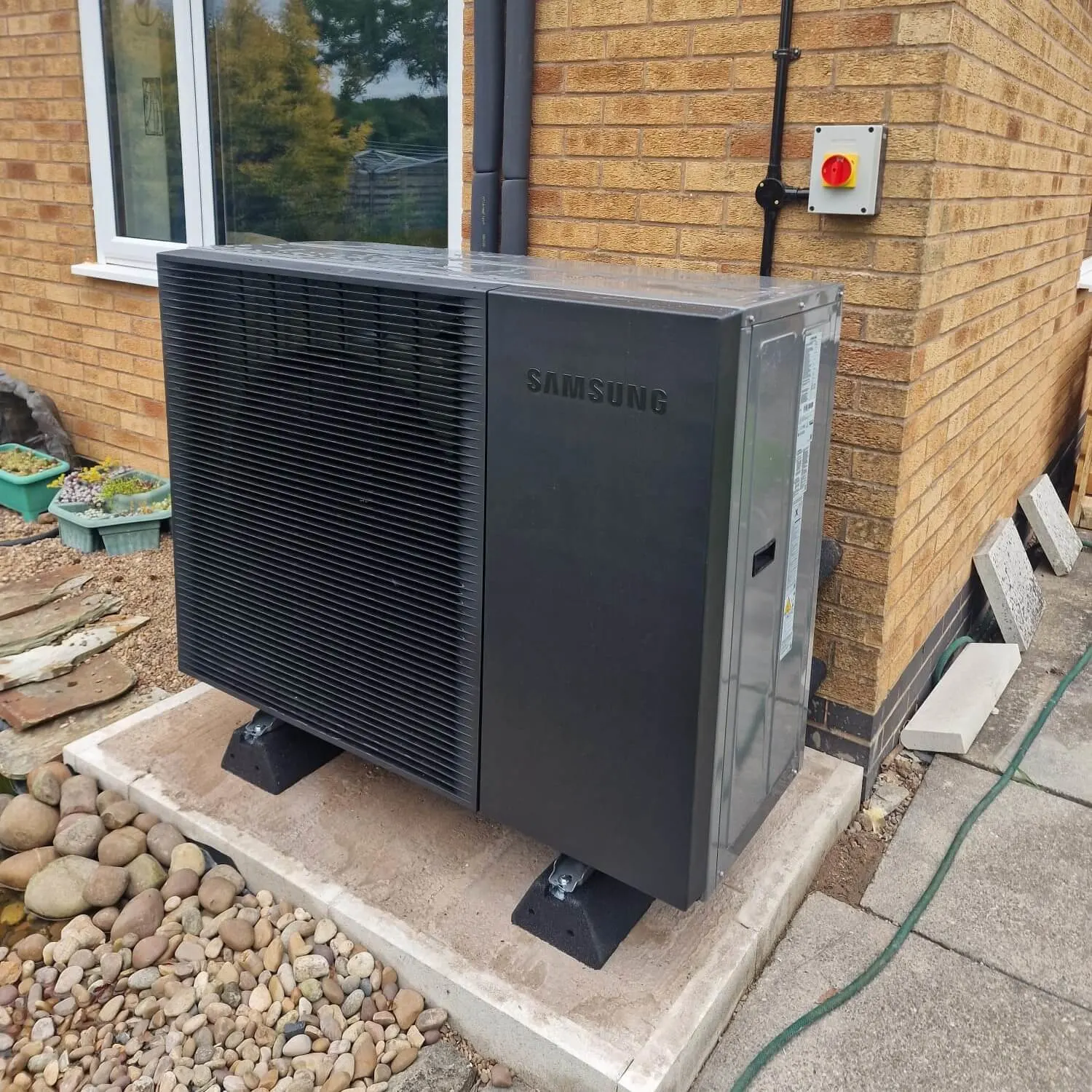
While solar panels remain the most commonly installed renewable energy technology, air source heat pumps are gaining significant traction. In 2023, according to the MCS Foundation, the UK saw a record 39,000 heat pump installations, marking a substantial increase in adoption.
Air source heat pumps work by extracting heat from the outside air and converting it into usable energy for heating homes and water. These systems are highly efficient and offer a sustainable alternative to traditional gas boilers. With the government pushing for widespread heat pump adoption as part of its net-zero targets, initiatives like the Boiler Upgrade Scheme are making these systems more accessible to homeowners.
Despite their benefits, heat pumps face some challenges, including high upfront costs and the need for proper home insulation to maximise efficiency. However, as technology advances and installation costs decrease, their popularity is expected to continue rising.

What type of property do you have?

Detached House

Semi Detached House

Terraced House

Flat or Apartment
Bungalow
It just takes 2 minutes
And then you can book a free consultation
The Role of Battery Storage Systems
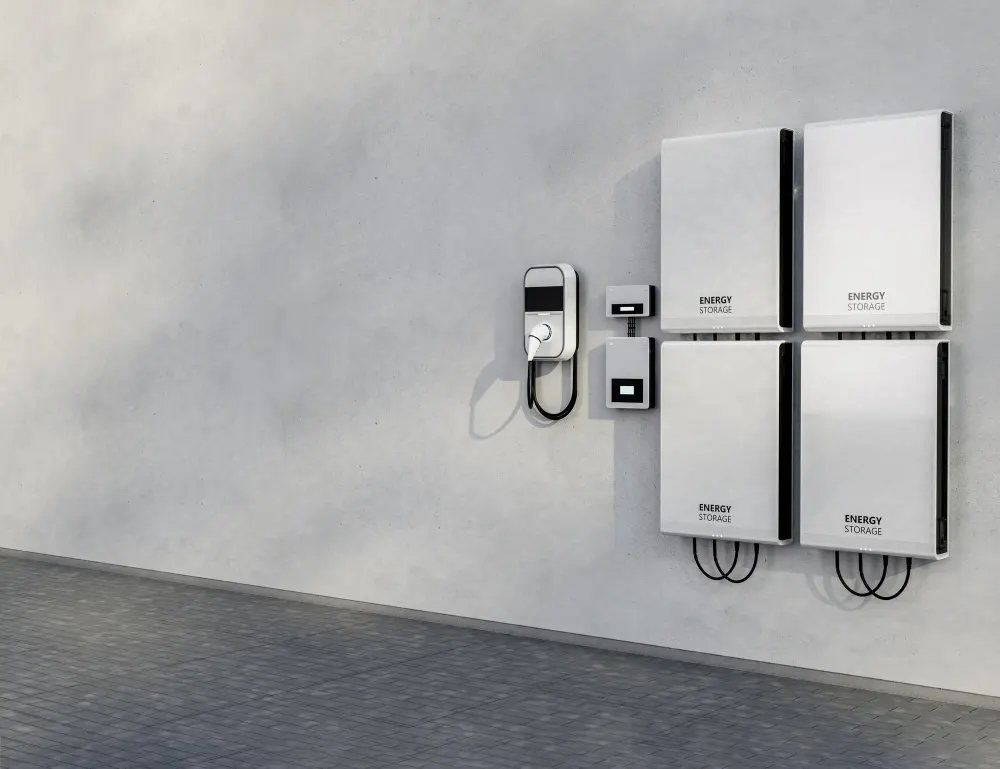
Battery storage technology, while growing in importance, remains the least commonly installed of the three technologies. In 2024, there were approximately 18,000 certified battery storage installations recorded up to November. These systems allow homeowners to store excess energy generated by solar panels and use it during peak times or when sunlight is unavailable.
The increasing adoption of battery storage is closely linked to the rise of solar panels. As more homes generate their own electricity, the demand for energy storage solutions is growing. Batteries help improve self-sufficiency and reduce reliance on the grid, particularly during times of high energy demand.
One of the biggest barriers to widespread battery storage adoption is cost. While prices have been decreasing, batteries still require a significant initial investment. With continued advancements and rising production, costs are expected to drop, making battery storage a more viable option for many homeowners.
Future Outlook for Renewables
Looking ahead, all three sustainable options—solar panels, battery storage and air source heat pumps—are expected to see continued growth. Government policies, financial incentives and advancements in technology will play a crucial role in their adoption rates.
- Solar panels will likely remain the most popular renewable energy option, with ongoing improvements in efficiency and decreasing installation costs.
- Air source heat pumps will continue to gain traction as the UK moves away from gas heating and towards greener alternatives.
- Battery storage adoption is expected to rise in parallel with solar panel installations, providing homeowners with greater energy independence and cost savings.
Our transition to renewable energy is well underway, with solar panels leading the charge, followed by air source heat pumps and battery storage systems. While each technology comes with its own benefits and challenges, their collective adoption is helping the country move towards a more sustainable and energy-efficient future.
If you are considering installing solar panels, battery storage or an air source heat pump, contact the team here at CDME for more information and a free quote. Whether you’re looking to cut energy bills, reduce your carbon footprint, or improve home energy efficiency, investing in renewable solutions is a step in the right direction.
Related articles

What type of property do you have?
Detached House
Semi Detached House
Terraced House
Flat or Apartment
Bungalow
At a glance
The Rise of Renewables: Solar, Battery Storage and Air Source Heat Pumps
The UK is undergoing a significant shift towards renewable energy and sustainable home solutions. With rising energy costs and growing environmental awareness, homeowners are investing in clean energy technology. Among the most popular choices are solar panels, battery storage systems and air source heat pumps. But which of these technologies is the most widely installed in the UK? Let’s explore the data and trends behind their adoption.
The Dominance of Solar Panel Installations
Solar photovoltaic (PV) systems have long been a popular choice in Warwickshire, Leicestershire and the West Midlands and they continue to lead the market in installations. The increasing affordability of solar panels, coupled with government incentives such as the Smart Export Guarantee (SEG), has encouraged more homeowners and businesses to adopt solar energy.
Another key factor driving solar panel adoption is the growing concern over energy security. With fluctuating electricity prices and an increasing demand for sustainable solutions, solar panels offer a cost-effective way to generate electricity and reduce reliance on the grid. Advances in solar technology have also improved efficiency, making it a viable option even in our relatively cloudy climate.
The Rise of Air Source Heat Pumps
While solar panels remain the most commonly installed renewable energy technology, air source heat pumps are gaining significant traction. In 2023, according to the MCS Foundation, the UK saw a record 39,000 heat pump installations, marking a substantial increase in adoption.
Air source heat pumps work by extracting heat from the outside air and converting it into usable energy for heating homes and water. These systems are highly efficient and offer a sustainable alternative to traditional gas boilers. With the government pushing for widespread heat pump adoption as part of its net-zero targets, initiatives like the Boiler Upgrade Scheme are making these systems more accessible to homeowners.
Despite their benefits, heat pumps face some challenges, including high upfront costs and the need for proper home insulation to maximise efficiency. However, as technology advances and installation costs decrease, their popularity is expected to continue rising.
What type of property do you have?
Detached House
Semi Detached House
Terraced House
Flat or Apartment
Bungalow
It just takes 2 minutes
And then you can book a free consultation
The Role of Battery Storage Systems
Battery storage technology, while growing in importance, remains the least commonly installed of the three technologies. In 2024, there were approximately 18,000 certified battery storage installations recorded up to November. These systems allow homeowners to store excess energy generated by solar panels and use it during peak times or when sunlight is unavailable.
The increasing adoption of battery storage is closely linked to the rise of solar panels. As more homes generate their own electricity, the demand for energy storage solutions is growing. Batteries help improve self-sufficiency and reduce reliance on the grid, particularly during times of high energy demand.
One of the biggest barriers to widespread battery storage adoption is cost. While prices have been decreasing, batteries still require a significant initial investment. With continued advancements and rising production, costs are expected to drop, making battery storage a more viable option for many homeowners.
Future Outlook for Renewables
Looking ahead, all three sustainable options—solar panels, battery storage and air source heat pumps—are expected to see continued growth. Government policies, financial incentives and advancements in technology will play a crucial role in their adoption rates.
- Solar panels will likely remain the most popular renewable energy option, with ongoing improvements in efficiency and decreasing installation costs.
- Air source heat pumps will continue to gain traction as the UK moves away from gas heating and towards greener alternatives.
- Battery storage adoption is expected to rise in parallel with solar panel installations, providing homeowners with greater energy independence and cost savings.
Our transition to renewable energy is well underway, with solar panels leading the charge, followed by air source heat pumps and battery storage systems. While each technology comes with its own benefits and challenges, their collective adoption is helping the country move towards a more sustainable and energy-efficient future.
If you are considering installing solar panels, battery storage or an air source heat pump, contact the team here at CDME for more information and a free quote. Whether you’re looking to cut energy bills, reduce your carbon footprint, or improve home energy efficiency, investing in renewable solutions is a step in the right direction.
Related articles
What type of property do you have?
Detached House
Semi Detached House
Terraced House
Flat or Apartment
Bungalow